


-

Add: HeBei ShengShi HongBang Cellulose Technology CO.,LTD.
-

Email
13180486930@163.com -

CONTACT US
+86 13180486930




Elevating your eye care routine with HPMC eye gel can transform both comfort and ocular health. This innovative product is designed to offer relief and moisture, particularly for individuals who struggle with dry eyes. HPMC, or Hydroxypropyl Methylcellulose, is renowned for its exceptional effectiveness as a lubricant, forming a protective, soothing film over the surface of the eye. Understanding the Mechanics of HPMC Eye Gel Hydroxypropyl Methylcellulose is a semi-synthetic, inert, viscoelastic polymer used in the preparation of eye gels. Its unique properties make it an ideal candidate for ocular applications. When applied, the gel mimics the action of natural tears, providing moisture that helps alleviate irritation caused by environmental conditions, long screen hours, or ocular surgery. The essence of HPMC in eye gels lies in its biocompatibility and ability to retain moisture, providing long-lasting comfort without compromising vision clarity. Science Behind the Sustainability of Moisture The HPMC eye gel's mechanism of action includes the formation of a protective barrier on the ocular surface. This barrier aids in reducing water evaporation and maintains the natural tear film stability. Studies have demonstrated that HPMC can enhance the precorneal residence time, thus prolonging the gel's soothing effect. By optimizing hydration, it significantly improves symptoms like grittiness, dryness, and discomfort, which are commonly reported by those who suffer from chronic dry eye syndrome. Clinical Expertise and Benefits of HPMC Eye Gel Research and clinical trials affirm the gel's efficacy in improving eye health. Its unique formulation is particularly beneficial for patients with moderate to severe dry eyes and those recovering from LASIK or other refractive surgeries. Ophthalmologists often recommend HPMC eye gel because of its superior performance in lubricating the eye surface. It is fragrance-free, reducing the likelihood of allergic reactions, and its non-preservative versions are ideal for sensitive eyes. Real User Experiences and Satisfaction Rates User testimonials highlight the transformative impact of HPMC eye gel. Many users report immediate relief from dryness and enhanced comfort during prolonged computer use and exposure to air-conditioned environments. The gel's easy application and non-blurring formula make it a preferable choice for daily use. High satisfaction rates are attributed to its rapid onset of action and ability to substantially reduce reliance on frequent eye drop applications. hpmc eye gel Endorsement by Experts in Ophthalmologic Care Ophthalmologists and optometrists advocate for the use of HPMC eye gel due to its established track record in delivering consistent and reliable results. Its acceptance within medical practices is a testament to its clinical proof in managing symptoms associated with dry eyes. Health professionals emphasize its role as a potent tool in ocular wellness, contributing significantly to maintaining ocular health for patients across various spectrums. Sustainable Production and Trust in Quality HPMC eye gel combines cutting-edge technology with sustainable production practices. The integrity of its ingredients and the rigor of its manufacturing processes underscore the brand's commitment to quality assurance. Certified by relevant health authorities, the product guarantees a high standard of care, aligning with environmental and ethical concerns increasingly prioritized by consumers. Future of Eye Care Innovation at Its Core The dynamics of ocular health care are constantly evolving, with HPMC eye gel positioned at the forefront of this change. Emerging research in biomaterials continues to enhance its efficacy and applications . By investing in such innovative products, consumers are embracing a future where eye health transcends traditional boundaries, promoting holistic wellness and improved quality of life. In conclusion, HPMC eye gel stands as a pioneering product, intertwining scientific advances with practical benefits. Its ability to enhance eye comfort, accommodate contemporary digital lifestyles, and earn professional endorsements underscores its indispensable role in eye care today. Clients seeking a reliable solution for dry eye symptoms will find HPMC eye gel not only meets, but often exceeds, safety and efficacy expectations, ensuring eyes are well-protected and hydrated.
- 40000tons

Production
- 20+years

Experience
- 5000+㎡

Acreage

-

When we think of wood, we often focus on its structural properties, such as strength and durability. But did you know that much of that strength comes from its composition, specifically cellulose? Cellulose made from wood is the key material that allows wood to hold its form and function effectively in countless applications. Understanding its components— cellulose , hemicellulose , and lignin —helps to explain the unique properties of wood that make it an essential resource for industries ranging from construction to manufacturing. Fibre Made from Wood Pulp Wood pulp, a primary source of cellulose , is the base material used in the production of many everyday products, including paper, textiles, and construction materials. Fibre made from wood pulp is rich in cellulose, which is extracted from the wood through various chemical and mechanical processes. This fibre, once processed, has diverse applications in industries such as packaging, paper-making, and even the production of insulation materials for buildings. The purity and strength of cellulose from wood make it a critical material in the manufacturing of fibreboard, composite wood panels, and other building materials used in construction. Wood pulp fibre is processed using various methods, including chemical pulping or mechanical grinding. This process removes the non-cellulose components of wood, such as lignin and hemicellulose, which are less useful in certain applications. The resulting cellulose fibres can be refined and used to create products with enhanced durability, ideal for use in the construction industry. The strength, stability, and biodegradability of wood pulp fibres make them an environmentally sustainable choice for manufacturers looking for natural materials in their production processes. Cellulose, Hemicellulose, and Lignin in Wood Wood is composed of three main components: cellulose , hemicellulose , and lignin . Understanding these components is key to unlocking the potential of wood in construction and manufacturing. Cellulose is the most abundant organic polymer in nature, providing strength and rigidity to the cell walls of plants. It is the primary component used in the creation of fibre and pulp for products such as paper and insulation. Hemicellulose is another important polysaccharide found in wood. It acts as a binding agent that holds cellulose fibres together. Although it’s not as structurally strong as cellulose, it plays a critical role in the overall integrity of the wood. In construction, hemicellulose can be broken down and processed to create biofuels or other valuable materials. Lignin , on the other hand, is a complex polymer that gives wood its hardness and resistance to decay. It acts like glue that holds the cellulose fibres together, giving the wood its rigidity and strength. In the construction industry, lignin is valuable for its ability to withstand weathering and physical wear, making it an essential component of high-quality timber. Together, these three components— cellulose , hemicellulose , and lignin —create the natural strength and versatility that makes wood such an important material for a variety of applications. Cellulose Wood Putty Another interesting application of cellulose from wood is in the production of cellulose wood putty . This product, used in construction and home improvement, is a type of filler used to repair and smooth wood surfaces. Cellulose wood putty is made by processing cellulose into a fine, putty-like consistency that can fill in cracks, holes, and imperfections in wooden structures. Its primary advantage is its ability to bond well with wood, providing a seamless repair that blends naturally with the surrounding material. Unlike traditional putties, which may rely on synthetic polymers or resins, cellulose wood putty is made from natural materials, making it an eco-friendly choice for homeowners and builders alike. It is particularly useful in restoring old furniture, wooden floors, or construction beams, where maintaining the wood’s natural appearance and texture is essential. The cellulose wood putty hardens over time, creating a durable and long-lasting repair. The versatility of cellulose in various forms, from raw pulp to putty, showcases the remarkable adaptability of this material in the construction and woodworking industries. The Versatility of Cellulose in Construction The uses of cellulose made from wood extend far beyond just fibre and putty. In the construction industry, cellulose is increasingly being used in the creation of sustainable building materials. From insulation to composite boards, cellulose is known for its insulating properties, helping to reduce energy consumption in buildings. Cellulose insulation is a popular choice for eco-conscious builders, as it is made from recycled paper products and wood fibres, offering a natural alternative to foam or fiberglass insulation. Additionally, the growing trend of sustainable construction has led to the development of cellulose-based biocomposites , which combine cellulose with other materials like bioplastics to create eco-friendly alternatives to traditional building materials. These materials are not only strong but also lightweight, reducing the overall energy footprint of construction projects. Applications of Cellulose in the Modern Building Industry In the modern building industry, cellulose from wood plays a significant role in improving the sustainability and performance of construction materials. From providing insulation to enhancing the structural integrity of wooden beams and panels, cellulose has a wide range of applications in both residential and commercial construction. Wood-based cellulose products offer an environmentally responsible alternative to petroleum-based materials, helping to reduce the environmental impact of construction projects. Builders and architects are increasingly incorporating cellulose wood putty , wood pulp fibre , and other cellulose-based products into their designs. The material’s renewable nature, biodegradability, and strength make it ideal for use in everything from floors and walls to roofs and insulation. As the demand for sustainable construction grows, the use of cellulose made from wood will continue to expand, offering innovative solutions that benefit both builders and the environment. Cellulose FAQs What is cellulose made of in wood? Cellulose is a natural polymer made of long chains of glucose molecules. It is the primary structural component of plant cell walls and is responsible for the rigidity and strength of wood. How is cellulose used in the construction industry? In construction, cellulose is used in insulation, composite materials, and cellulose wood putty . It helps improve the sustainability and energy efficiency of buildings by providing natural insulation and repair materials. What is cellulose wood putty? Cellulose wood putty is a natural, eco-friendly filler made from cellulose . It is used to fill holes, cracks, and imperfections in wooden surfaces, providing a seamless and durable repair. Can cellulose be used for insulation? Yes, cellulose is commonly used as an insulation material in homes and commercial buildings. It is made from recycled paper and wood fibres, offering a sustainable and effective alternative to synthetic insulation. Why is cellulose considered eco-friendly? Cellulose is a renewable resource that comes from wood and plants. It is biodegradable, making it an environmentally friendly option for a variety of products, including construction materials, insulation, and putties. Invest in high-quality cellulose wood products today for sustainable building solutions that offer strength, durability, and eco-friendly benefits. Visit our website to explore our wide range of cellulose-based materials, from cellulose wood putty to wood pulp fibre , and discover how they can enhance your next project.
-

Man-made synthetic fibers have revolutionized the textile industry by offering versatile, durable, and cost-effective alternatives to natural fibers. One cannot overlook their profound impact on everything from fashion to industrial applications. Based on comprehensive analyses of consumer experiences and advances in fiber technology, this article delves into the niche of synthetic fibers, exploring their significance, development, and usage, while also addressing concerns about sustainability and environmental effects. Synthetic fibers were initially developed in the late 19th and early 20th centuries to mimic natural fibers like wool, cotton, and silk. Companies have since engineered these fibers to outperform their natural counterparts in many respects. Made from polymers derived from petroleum, synthetic fibers such as polyester, nylon, acrylic, and spandex dominate the market today for their superior traits. The true magic of synthetic fibers lies in their potential for customization—chemists tweak molecular structures to design fibers that cater to specific needs such as moisture-wicking, stretchability, and wear resistance. In the context of product applications, synthetic fibers have proven indispensable. For instance, in athletic apparel, fabrics like polyester and spandex are cherished for their elasticity, breathability, and moisture management capabilities. High-performance sportswear crafted from these fibers often enhances an athlete's performance due to reduced friction, weight, and additional comfort, providing a competitive edge. Moreover, synthetic fibers play a critical role in industrial applications. Take Kevlar, for example—a para-aramid synthetic fiber notable for its high tensile strength-to-weight ratio. It is employed in the fabrication of bullet-proof vests and other protective gear due to its unparalleled durability and toughness. Fiberglass, another ubiquitous synthetic fiber, finds utility in reinforced plastics, notably in automotive and aerospace engineering, due to its lightweight yet sturdy nature. These fibers also revolutionize home products. Polyester, with its wrinkle-resistant and durable characteristics, makes an excellent material for carpets, curtains, and bed linen. Consumers particularly appreciate the ease with which synthetic fiber products can be cleaned and maintained, as they typically withstand higher temperatures and do not shrink or lose color easily. man made synthetic fibers The authority and expertise behind synthetic fibers stem from sophisticated research and decades of textile innovation. Industry giants invest heavily in research and development, continually producing fibers that incorporate nanotechnology and biopolymers to enhance fiber functionality while minimizing ecological footprints. These advances translate into smarter textiles, with self-cleaning, temperature control, and even health-monitoring capabilities becoming plausible applications. Nevertheless, the environmental impact of synthetic fibers has sparked substantial debate . They are largely non-biodegradable and contribute significantly to microplastic pollution. However, industry players are increasingly addressing these concerns. Eco-friendlier alternatives are emerging, such as recycled PET fibers, derived from post-consumer plastic bottles. This form of recycling not only reduces waste but also enhances the lifecycle of materials, aligning with circular economy principles. Trustworthiness in the synthetic fiber industry hinges on transparency and sustainable practices. Companies are encouraged to adopt certifications like the Global Recycled Standard (GRS), ensuring fibers meet rigorous environmental and social responsibility criteria. Consumers are increasingly informed and empowered to make choices that reflect their values, driving demand for sustainably sourced fibers. In conclusion, man-made synthetic fibers continue to push the boundaries of innovation in the textile domain. Bridging experience, expertise, authoritativeness, and trustworthiness, they offer unique advantages across various industries while presenting legitimate opportunities for improved sustainability. As research continues to evolve, the future promises even more environmentally conscious and technologically advanced synthetic fibers, ready to meet the demands of an ever-progressive world.
advantages
-

200000 Viscosities
Excellent product
We can produce pure products up to 200,000 viscosities
-

40000 tons
High yield
We don’t stop production all year round, and the annual output can reach 40,000 tons
-

24 hours
Quality service
We provide 24-hours online reception service, welcome to consult at any time
———— Inquiry Form
Schedule A services

-
 thermoplastic_resin_powder
Oct . 25, 2025
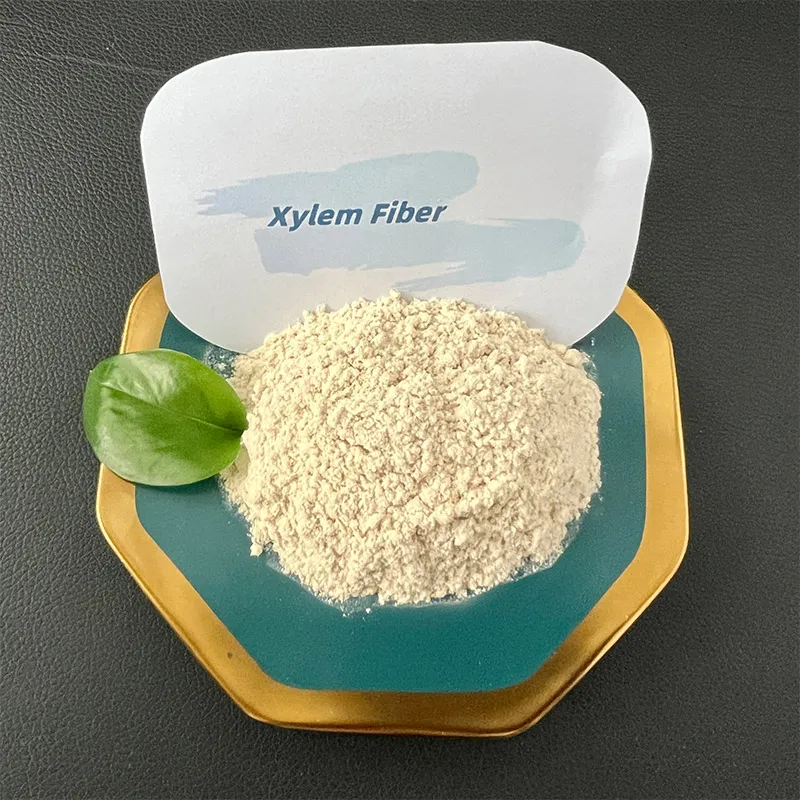
The Emergence and Significance of Manufactured Fiber in the Textile Industry Manufactured fibers, co -
 hpmc_company
Oct . 25, 2025
In the ever-evolving construction sector, the choice of materials can significantly impact the quali -
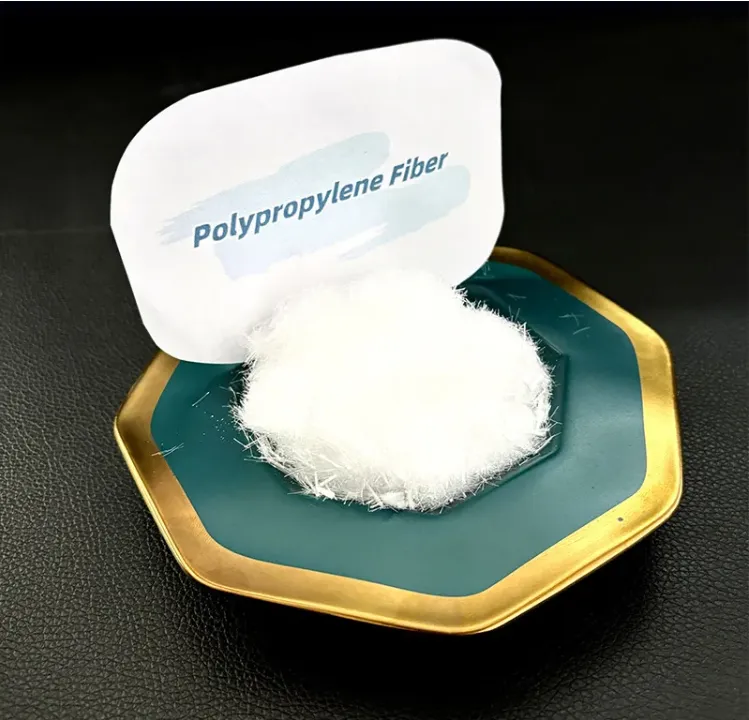 presyo_ng_polypropylene_fiber
Oct . 25, 2025
Navigating the ever-evolving landscape of recycled rubber powder pricing demands a nuanced understan


